Local’s Guide: What to Wear in Hokkaido Winter (with Photos)

Thinking about traveling to Hokkaido in winter, but not sure what to wear?
Planning your winter outfit can be tricky. But no worries, I’ll show you exactly how to dress so you don’t freeze.
Hi I’m Yuuka! I’m from Eastern Hokkaido where it can easily be -15°C (5°F). I grew up skiing, hiking, and even running in this deep cold, so you can trust me on what actually keeps you warm.
So here, I’ll share with you:
- How to dress in the city vs. outdoors
- How to layer the right way
- The must-have accessories you shouldn’t skip
Ready to enjoy Hokkaido without freezing? Let’s go!
Winter Clothing Tips from a Local :Layering

If you’re unsure how to dress for winter weather, you might think one big, thick jacket is enough…
But it’s not!
Layering is what actually keeps you warm. Layers trap warmth under your outer jacket and let you adjust your temperature easily by taking on and off.
My recommendation is to wear 3 layers on top, 2-3 layers on the bottom, and proper winter accessories. I’m going to break everything down for you below.
Base Layer: Keeps heat close to your body

Your base layer is like your second skin. It needs to fit close to your skin and will keep all your warmth. This layer makes a huge difference in the cold weather.
My go-to is UNIQLO’s HEATTECH. I always wear a long-sleeve top and leggings underneath everything else. Remember, it’s important to wear both top and bottom!
UNIQLO is an easy option for you as a traveler, because their stores are everywhere. Even at airports. If you land at Haneda Airport or New Chitose Airport, there’s a UNIQLO store where you can stop by before you even step outside.
HEATTECH comes in three types: regular, Extra Warm, and Ultra Warm. The thicker the fabric, the more heat it keeps in. If you’ll be spending long hours outdoors (like at winter festivals), go for Ultra Warm.
That being said, HEATTECH isn’t perfect for everyone. If you find synthetic fabric irritating, consider merino wool base layers instead. They’re more expensive, but often softer and better for sensitive skin. Workman’s merino wool base layers are also very popular in Japan.
Mid-Layer: Adds insulation
Your mid-layer is what you wear on top of your base layer. It adds insulation and helps you adjust your temperature as you move between freezing outdoors and warm indoor spaces.
In Cities

In the city, you don’t want anything too thick. Hokkaido is freezing outside, but once you step into a restaurant, train, or shopping mall, it’s very warm. If your mid-layer is too heavy, you’ll end up sweating and that gets uncomfortable.
So I like wearing something warm but thin (like a turtleneck knit) and adding a thin puffer jacket to it. Mine is UNIQLO’s Ultra Light Down Jacket (photo below).
The puffy layer is especially useful because it adds warmth without feeling bulky. It’s easy to take on and off when you go indoors.
Outdoors

For outdoor activities, you need to wear a thick mid-layer like a fleece pullover. I’d add a puffer jacket over it too.
It might sound a lot to wear, but believe me, layering is really important. You can always take one layer off when feeling too warm.
Outer shell: Blocks wind and snow
Your outer shell is the layer that protects you from the wind, the dry cold, and also the snow.
In Cities

Avoid wearing coats with open necks like trench coats or wide collars. That’s where cold wind comes in!
The best option is a down jacket with a high neck and a hood. Longer is better too, so it can cover your thights.
My long down jacket is from Superdry. My husband, who hates cold, loves his UNIQLO seamless down jacket (photo below). I’ve tried it on too and can approve that it’s super warm but light and comfortable.
Outdoors

If you’ll be spending lots of time outside, you want to choose GORE-TEX or similar waterproof, windproof material.
You might think you need to wear a big, fluffy down jacket outdoors, but that’s not necessarily the case, if your layering is solid.
I personally wear a thing, single-layer GORE-TEX shell (left in the photo). I love it because I can use it in other seasons, sometimes as a rain jacket, and it’s light and easy to pack.
If you want to get some outdoor jackets from a Japanese brand, I recommend Monbell.
Bottoms
As I mentioned earlier, always wear an inner layer on the bottom too. It makes a huge difference!
In Cities
If I’m going indoors and outside often, I don’t want to wear too thick bottoms because it gets too warm indoors and it’s more difficult to take a layer off than the tops.
So I’d recommend wearing regular bottoms like jeans and thick trousers. Just avoid thin materials.
Outdoors

For outdoor activities, I usually have 3 layers. (1) Inner layer: HEATTECH leggings in my case, (2) Mid-layer: a simple hiking trouser, and (3) Outer shell: waterproof, windproof pants.
And I take them on or off depending on the temperature.
Shoes
Footwear is so important in Hokkaido winter. Not just for warmth, but also for safety. Snow in the cities gets packed down into ice, and outdoors can be even more slippery.
Choose waterproof winter boots with a good grip.
Some winter shoes sold in Hokkaido come with built-in spikes on the soles. These are great for icy sidewalks.
Another option is to buy removable rubber spikes (a rubber band with small metal spikes). You can put them over your shoes when it’s slippery and remove them indoors.
Where to buy winter shoes in Hokkaido?
If you want to buy a pair after arriving, you can find winter shoes at sports stores, shoe stores like ABC-MART, and department stores (they always have a winter shoe section).
💡 Important: Good shoes help, but you can still slip.
What really keeps you safe is how you walk. Walk slowly, take small steps, and watch the surface well to avoid icy patches.
And don’t walk with your hands in your pockets. Keep them free so you can balance yourself or catch a fall if you slip.
Accessories
These small accessories make the biggest difference in the cold weather. The rule of thumb is to cover as much skin as possible.

Hats
Wear a warm hat that covers your ears.
In addition to a hat, I like using ear covers for extra warmth. I love these separate ear covers instead of bulky earmuffs because they can fit in my pocket easily.
Neck warmers
Neck warmers or scarves, whichever is good. Just make sure to cover your neck fully to trap heat.
Gloves

Gloves are a must. Choose waterproof, insulated gloves. Ski gloves are perfect too.
And please, please avoid regular knitted gloves. They get wet when it snows, and then your fingers freeze.
Socks

Your feet are touching cold ground or snow the entire time, so socks matter a lot. Please avoid thin, short ankle socks. Instead, wear thick, long socks that cover your ankles.
Heat Packs (Kairo)
They’re small, disposable packets that warm up when you open them and expose them to air. They stay warm for several hours and are sold everywhere in Japan, like at convenience stores, drugstores, and supermarkets.
You can put them in your pockets or inside your gloves to warm your hands. Or get a special one that sticks to your socks!
No umbrella!
You don’t need an umbrella in Hokkaido winter. No local uses one, even when it’s snowing.
Why? Because the temperature is so low that the snow is usually dry and powdery, not wet. You can just brush it off with your hand.
Using an umbrella also blocks one of your hands, which is dangerous on icy streets. You want both hands free to balance yourself or catch a fall.
Your next steps
Now you know how to dress in winter Hokkaido, and I hope you’re feeling so ready!
If you’re planning what to do on your winter trip, here’s my full list of things to do, including wildlife tours, snowshoeing, onsen and more.
Also don’t forget to check out one of the winter festivals.
If you need help mapping out your route, take a look at my 10-day winter itinerary in Eastern Hokkaido. It’s a full trip planned for you without a car.
Happy trip planning!

Plan your perfect trip with local gems and zero tourist traps.
✅ Fill your itinerary with local favorites you won’t find anywhere else.
✅ Know exactly which tourist traps to skip so you stop wasting time and money.
✅ Experience Eastern Hokkaido like you have a local friend showing you around.
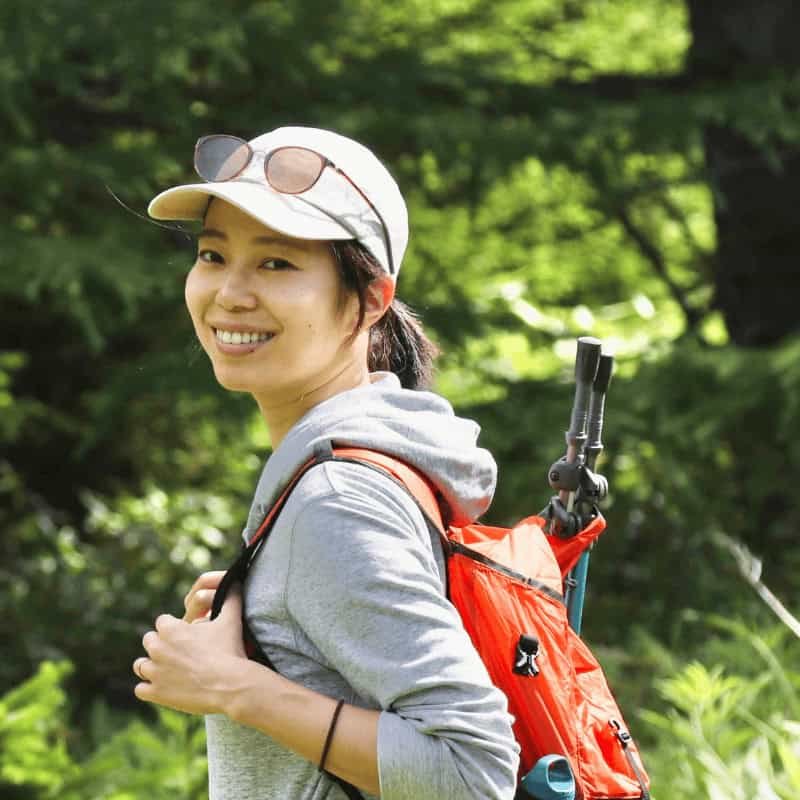
Need a local friend’s help on your itinerary?
Don’t waste hours researching. I’m here to help you like that local friend who tells you:
“Go here, skip that, and don’t miss this little place.”
As a local expert, I’ve helped 350+ international travelers plan their personalized itineraries over the years.
Want my insider tips?