Shiretoko Nature Cruise: Watch Brown Bears, Dolphins & Whales

If you love wildlife and wild places, a nature cruise in Shiretoko is one of the best ways to experience both at once.
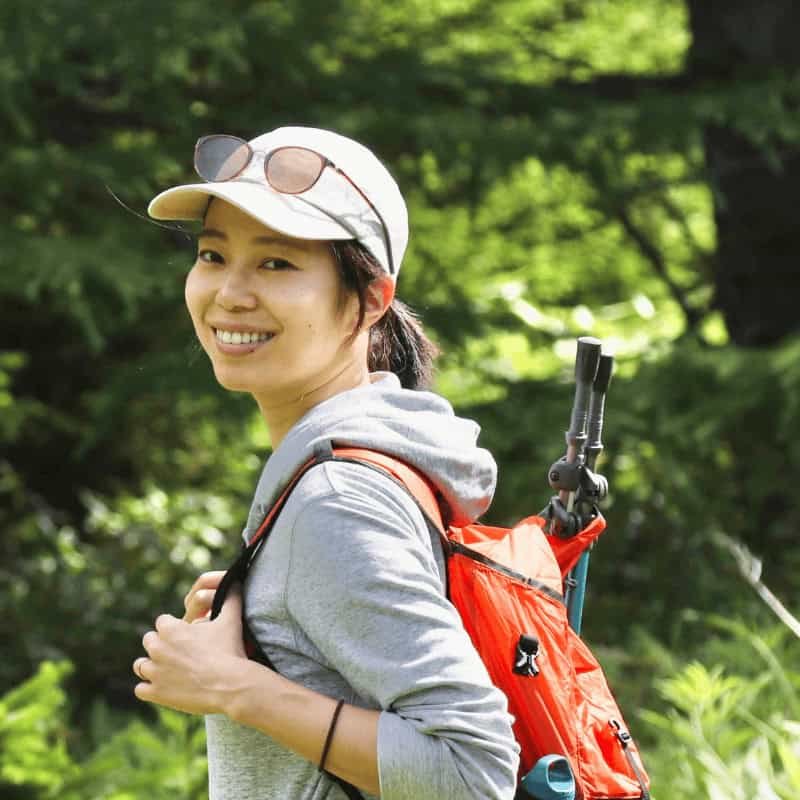
Hi, I’m Yuuka! I grew up in Hokkaido and have spent over 20 years living in and exploring this beautiful island. When I help travelers plan their trips to Eastern Hokkaido, I often recommend this Shiretoko nature cruise. Because it really gives you a memorable experience.
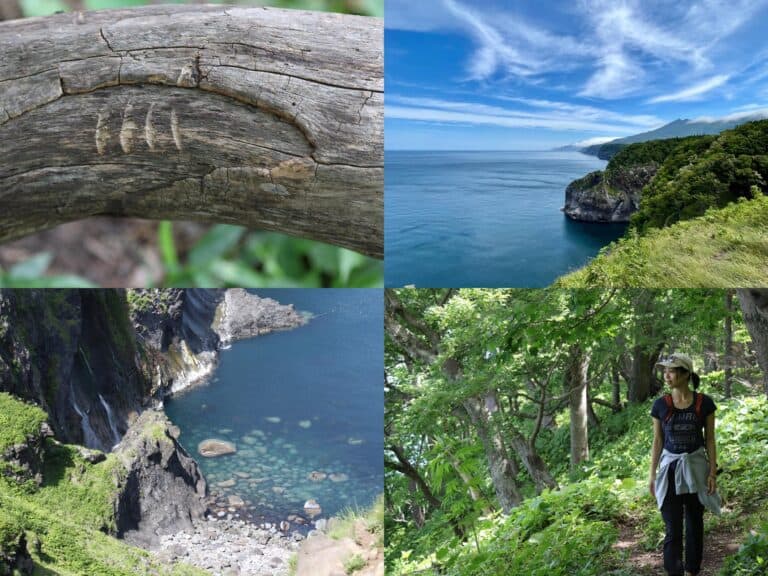
Shiretoko is a UNESCO World Natural Heritage site, and these boat tours let you see its untouched landscapes and wildlife up close, from brown bears to dolphins, and even orcas!
In this post, I’ll walk you through everything you need to know before booking your cruise, including the best times to go, which side of the peninsula to choose (Utoro or Rausu), what animals you might see, and my personal tips.
Let’s get started!
What is a nature cruise in Shiretoko?
Shiretoko is the best place to see wild animals in their natural habitat in Hokkaido. If you’re a wildlife lover, this is one of the best experiences you can have.
Nature cruises in Shiretoko take you along the coast and let you see this incredible scenery and spot animals like brown bears, dolphins, whales, and sea eagles.

Cruise staff are extremely good at spotting animals in the wilderness. I’m so impressed every time I take this cruise! Once they find animals, they will tell you which direction to look and help you see them too.
Each trip costs 5,000-9,000 JPY and takes about 1-3 hours depending on the route. Tours are operated by a few companies in Utoro on the west side of the peninsula, and Rausu on the east side.
Utoro vs. Rausu: Which is better?
So, you might be wondering… “Should I take a cruise in Utoro or Rausu?
Both offer amazing experiences, but the vibe and scenery are different. Here’s how to decide based on what you’re looking for.
Utoro: Easier access & dramatic coastal scenery
Utoro is the main tourist base in Shiretoko and much easier to reach by public transportation. Most travelers stay here because there are many onsen hotels and restaurants.

Cruises from Utoro focus more on scenic coastal views. You’ll pass dramatic cliffs, waterfalls like Kamuiwakka Falls and Iou Falls, and hidden bays like Rusha Bay, all surrounded by untouched wilderness.
The highlight here is spotting brown bears walking along the coast, plus sea eagles, deer, and sometimes dolphins.
Rausu: Best for whale watching & open ocean view
Rausu is on the opposite (eastern) side of the Shiretoko Peninsula and is much more local and quiet. It’s less known to international tourists, but that’s part of its charm.
If you’re into whales and ocean wildlife, Rausu is the place, especially in June, which is peak season for orcas and sperm whales. It’s the only place in Japan where you can spot wild orcas. You might also see large pods of dolphins or even 15-meter-long sperm whales!

Rausu cruises head out into the open sea, so the scenery is less about the land and more about the vastness of the ocean and the wildlife that lives there.
You can stay in Rausu, or visit as a day trip from Utoro. It’s about 40 minutes by car, or you can take a local bus (4 times a day in summer).
New Travel Guide!

Plan your perfect trip with local gems and zero tourist traps.
✅ Local spots you won’t find anywhere else
✅ Skip tourist traps so you stop wasting time and money
✅ Travel like you have a local friend showing you around
Best seasons to watch wildlife in Shiretoko
One of the best things about cruising in Shiretoko is that you’ll have a quite high chance of spotting wildlife. Around 90% of tours see at least one major animal!
Brown Bears: April to October
Bears are most commonly seen on the Utoro-side cruises, walking near the shoreline.
In spring (April–May), you might spot bears along sunlit slopes, munching on fresh greens. And in autumn (September–October), they often appear at river mouths, hunting salmon.
Dolphins: May to October
Dolphins are found both on the Utoro and Rausu sides between May to October. Look out for playful pods swimming alongside the boat! They were so cute and it was an incredible experience when I took a cruise in the summer of 2022.

Whales
Whales are mainly spotted on cruises from Rausu. Orcas (killer whales) tend to show up from late April to early July. June is peak season. Sperm whales are found from mid-July to early October.
Sea Eagles: January to March
In winter, you can join special cruises to see Steller’s sea eagles and white-tailed eagles resting on floating drift ice.
Deer: All year round
You’ll likely see Ezo deer wandering near the coast no matter when you visit!

Recommended Cruise Companies
Cruises in Utoro
Cruises in Rausu
Feeling Lost About Your Hokkaido Trip?

👋Hi, I’m Yuuka, your go-to Hokkaido travel advisor.
✅ I design a custom itinerary for you.
✅ 300+ travelers supported
✅ Insider tips you won’t find on Google
Tips for First-Time Shiretoko Cruisers
- Book ahead in busy seasons: Cruises can sell out during Golden Week, summer holidays, and Obon. Book early to secure your spot.
- Prepare for cancellations: Tours may be canceled last minute due to wind or waves. Always check the weather and have a backup plan.
- Dress for wind and cold: Even in summer, it’s chilly on the boat. Bring a windbreaker or jacket. You’ll need it!
- Bring essentials: Sunglasses, motion sickness meds, and a water bottle.
Your next steps
Ready to sail and meet Shiretoko’s wild animals? Hope this guide helped you to choose Utoro or Rausu, or get excited about what you’ll see on the sea!
Still planning your Shiretoko itinerary? I’ve mapped out how to spend 3 days there for you. And if you’re looking for where to stay, you’ll have an amazing homie experience at a family-run onsen inn, Sekka Shiretoko.
If you are planning to visit other places in Eastern Hokkaido, this 5-day road trip is the best way to cover them all.
Got more days? Why not tour around Hokkaido in a week or two weeks?
Happy trip planning!

Plan your perfect trip with local gems and zero tourist traps.
✅ Fill your itinerary with local favorites you won’t find anywhere else.
✅ Know exactly which tourist traps to skip so you stop wasting time and money.
✅ Experience Eastern Hokkaido like you have a local friend showing you around.
Need a local friend’s help on your itinerary?
Don’t waste hours researching. I’m here to help you like that local friend who tells you:
“Go here, skip that, and don’t miss this little place.”
As a local expert, I’ve helped 350+ international travelers plan their personalized itineraries over the years.
Want my insider tips?