Best eSIM for Hokkaido: NINJA vs Sakura Mobile (Tested)

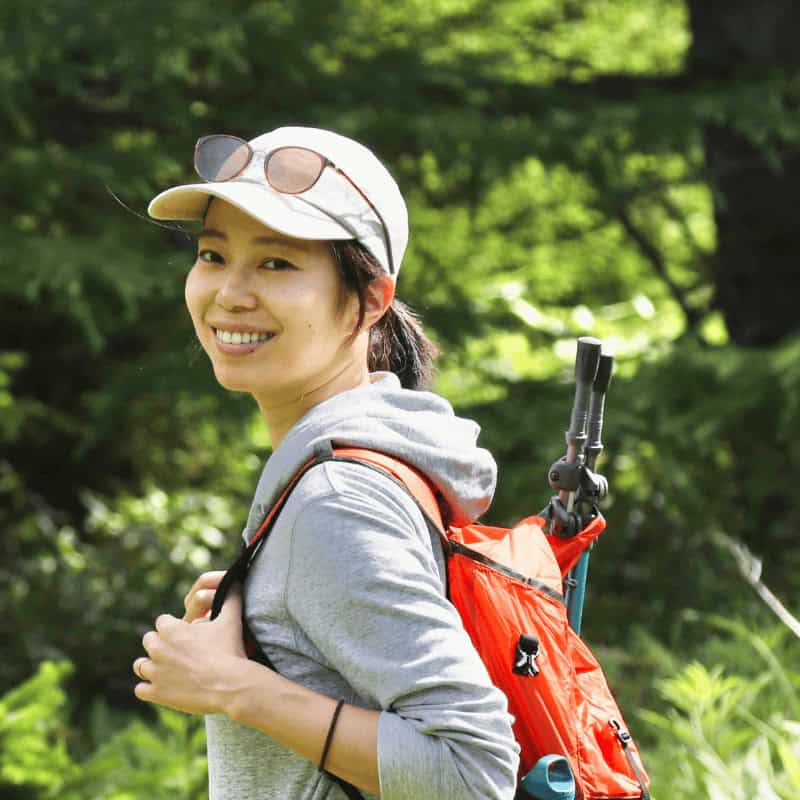
Hi, I’m Yuuka. I grew up in Eastern Hokkaido and now live in Switzerland, so I use a travel eSIM every time I visit Japan. (I no longer have a Japanese phone plan…)
If you’re visiting Japan from overseas, I’m in the same boat as you!
But will your eSIM actually work when you travel beyond Sapporo and explore rural Hokkaido?
I tested two eSIMs on real road trips to find out:
- Sakura Mobile: I used it for 30 days in summer 2025, driving from Kitami to Abashiri, Lake Akan, Lake Kussharo, Shiretoko, Sounkyo, Nukabira, Obihiro, Lake Toya, and Niseko.
- NINJA eSIM: I tested it for 10 days in spring 2026, exploring Kitami, Shiretoko, the Notsuke Peninsula, Lake Kussharo, Ashoro, Obihiro, and Lake Saroma.
Both worked well, even in smaller towns like Nukabira and Ashoro. But they suit different travelers.
I’ll compare my experience with both providers to help you choose the best eSIM for your Hokkaido trip.
Quick verdict
Road trip or heavy data use? ➡️ Go with Sakura Mobile. The unlimited plan has no daily cap, and you can pick the exact number of days.
Light user? ➡️ Go with NINJA eSIM. The data plans are cheaper and last 180 days. You can even try 500MB for free!
Why you need mobile data in Hokkaido

Especially if you’re road tripping in Hokkaido, mobile data really matters.
Rental car navigation isn’t always enough
Rental car navigation systems can be old, and the information isn’t always accurate. So when I drive somewhere new, I use both. I follow the car’s navigation to get to the general area. Then I switch to Google Maps to find the exact spot.
This uses more data than you’d think. If you’re the driver, I recommend an unlimited plan.
Hotel WiFi in the countryside can be slow
Small hotels and inns in rural areas often have slow WiFi. That’s when your own eSIM saves the day. On my NINJA trip, I had to join a video call from a random parking lot in a rural area. I turned on tethering, connected my laptop, and it worked perfectly.
How much data do you actually need?
Here’s a real number for you. On my 10-day road trip, the 10GB NINJA plan was enough. That included navigation, Google Maps, social media, and that video call on my laptop.
NINJA eSIM vs Sakura Mobile at a glance
Prices are tax included, checked on November 3, 2026.
| Sakura Mobile | NINJA eSIM | |
|---|---|---|
| Network | au 5G (Unlimited) or docomo 5G (3GB/day) | SoftBank (5G) or docomo (5G) |
| Unlimited, 14 days | ¥9,240 (about $59) | ¥9,130 (about $58) |
| Unlimited, 7 days | Any length from 1 to 31 days | ¥5,368 (about $34) |
| Fixed data plans | 3GB/day on docomo (14 days: ¥6,930, about $44) | 1GB ¥726 ($5), 5GB ¥2,200 ($14), 10GB ¥3,608 ($23), 20GB ¥6,908 ($44), 30GB ¥9,603 ($61) |
| Limits on unlimited | No daily cap | May pause if you use over 15GB in a day |
| When data runs out | 3GB/day plan slows to 200 kbps | Fixed plans stop. You can top up instantly |
| Validity | 1 to 90 days | Fixed plans last 180 days |
| Hotspot / tethering | Yes (13GB on the 14-day Unlimited plan) | Yes (I used it) |
| Japanese phone number | Optional, needs an in-person ID check | No |
| Works outside Japan | No | Yes |
| Free trial | No | 500MB free |
Sources: Sakura Mobile eSIM, NINJA eSIM plans
Sakura Mobile review: best for road trips

I used Sakura Mobile‘s 30-day Unlimited eSIM on the au network in summer 2025. It was my longest trip, from Eastern Hokkaido all the way to Lake Toya and Niseko.
It worked everywhere I needed it. That included Shiretoko, Lake Akan, and Nukabira, the most rural place on that trip. I never felt it was slow.
Setup on my iPhone was simple and straightforward.
What I liked
- Truly unlimited data. No daily cap, so I never had to think about how much I used.
- You pick the exact number of days. Planning a 9-day or 12-day trip? You don’t pay for extra days.
- 10% off for 2 or more eSIMs. Traveling with family or friends? The discount applies automatically when you buy 2 or more.
- A Japanese phone number is an option, if you need to call restaurants or hotels.

What to know
- Hotspot data is capped on the Unlimited plan. On a 14-day plan, it’s 13GB.
- The phone number plan needs an in-person ID check at selected airport counters or their Shinjuku office.
Who it’s for
Sakura Mobile is my pick if you’re driving, or if you use a lot of data. It’s also great for long trips of 2 weeks or more.
👀 Check Sakura Mobile eSIM plans
NINJA eSIM review: best for light users

I used NINJA eSIM’s 10-day, 10GB plan in spring 2026. I drove around Kitami, Shiretoko, the Notsuke Peninsula, Lake Kussharo, Obihiro, and Lake Saroma.
It also worked well all the way. I even had to take a video call from a rural parking lot, and tethering to my laptop saved my life that day.
Good to know: the plans have changed
The 10-day plan I used isn’t sold anymore. NINJA now sells data plans that last 180 days, plus 7-day and 14-day unlimited plans. The new eSIM also works in many countries outside Japan.
What I liked
- Cheap for light users. 5GB is ¥2,200 (about $14), and 10GB is ¥3,608 (about $23).
- Data lasts 180 days. Leftover data stays for your next trip.
- One eSIM for many countries. Handy if your trip includes other countries.

What to know
- On fixed data plans, your connection stops when you use it all. You can top up instantly, but keep an eye on your data.
- Unlimited is only sold as 7 or 14 days. For 15 days or more, you need to buy 2 plans.
Who it’s for
NINJA eSIM is my pick if you mostly use maps and messaging. It’s also great if you’re visiting other countries on the same trip.
✅ Try NINJA eSIM with 500MB free
eSIM or pocket WiFi?
For most travelers, an eSIM is the easier choice. There’s no extra device to charge, pick up, or return.
A pocket WiFi can make more sense if:
- Your phone doesn’t support eSIM
- You’re traveling as a family or group and want to share one connection
- You need to connect a laptop or tablet all day
NINJA WiFi is a popular option, and they gave me a discount link for my readers.
🛜 Get 20% off NINJA pocket WiFi

Tips for staying connected in Hokkaido
With either eSIM, you’ll have a good signal in towns and on the main national roads. But some roads have no signal at all, and that’s normal here.
Where you might lose signal
Expect gaps on mountain passes, along stretches of coastal cliffs, and on roads through old-growth forest. From my own drives, these are the spots I remember:
- Parts of the Shiretoko Pass (Route 334)
- Parts of the road between Lake Mashu and Shari, around Kaminoko Pond
- The mountain road from Teshikaga to Lake Akan (Route 241)
My tips
- Install your eSIM before you leave home. You’ll be online as soon as you land.
- Check your route before a mountain drive. Save it in Google Maps while you still have a signal.
- Don’t count on hotel WiFi in rural areas. Your own data is your backup.
Planning your route? My 5-day Eastern Hokkaido itinerary and Kushiro, Akan, and Notsuke road trip are good places to start. If you’re heading to the Notsuke Peninsula, here’s my guide.
So, which eSIM should you get?
Both eSIMs kept me connected across Eastern Hokkaido, from Shiretoko to Lake Saroma. You can’t really go wrong.
- If you’re driving and want to stop worrying about data, get Sakura Mobile.
- If you’re a light user or visiting more countries, start with NINJA eSIM’s free 500MB.
Now that your phone is sorted, it’s time to plan the fun part. My Eastern Hokkaido Insider Guide has the local spots, routes, and tips I share with friends.
Not ready yet? Grab my free 10 Hokkaido Itineraries Pack to get started.
Happy trip planning!

Plan your perfect trip with local gems and zero tourist traps.
✅ Fill your itinerary with local favorites you won’t find anywhere else.
✅ Know exactly which tourist traps to skip so you stop wasting time and money.
✅ Experience Eastern Hokkaido like you have a local friend showing you around.
Need a local friend’s help on your itinerary?
Don’t waste hours researching. I’m here to help you like that local friend who tells you:
“Go here, skip that, and don’t miss this little place.”
As a local expert, I’ve helped 350+ international travelers plan their personalized itineraries over the years.
Want my insider tips?