Is Hokkaido Safe?: How to Avoid Bear Encounters

If you’re researching Hokkaido for your trip and have come across the headlines about brown bear attacks, you’re probably wondering:
“Wait… is Hokkaido actually safe to visit?”
As someone who helps international travelers plan trips to Hokkaido, I get this question a lot. My answer is always the same:
Yes, Hokkaido is safe. But you need the right knowledge.
Yes, Hokkaido is home to brown bears. And yes, there are real risks in certain situations. But most of Hokkaido’s 5 million residents go about their daily lives without ever encountering a bear. Most travelers will never even see a bear during their trip.
The key is to understand where the risks actually exist, why bear incidents happen, and how to behave responsibly.
In this guide, I cover:
- Why most bear attacks happen
- The mistakes tourists make around wildlife
- How to stay safe while hiking
- Whether you need bear bells or bear spray
- How to see bears safely and responsibly
My goal isn’t to scare you away from Hokkaido, but to help you experience one of Japan’s most incredible wild places safely.
Disclaimer: I’m not a wildlife expert. This guide is based on my research, conversations with local guides, and personal travel experience. Always verify current conditions with local visitor centers.
Brown Bears in Hokkaido: 3 Facts to Know

The Hokkaido brown bear (higuma in Japanese) is the largest land animal in Japan. They live across all of Hokkaido and are most active between May and November.
It’s estimated that there are over 10,000 wild brown bears in Hokkaido. That might sound alarming, but here are 3 facts you should know about.
1. Bears avoid humans.
Bears are timid animals. When they sense people approaching, they almost always moves away before you ever see it. Most bears want nothing to do with you.
2. Bears aren’t hunting humans.

Around 90% of a brown bear’s diet is plant-based. They mostly eat wild grasses, berries, nuts, and acorns. Animal-based foods like salmon and deer make up the remaining 10%.
Therefore, attacks on humans to eat them are extremely rare, and almost always a result of self-defense. These are situations that can be avoided with the right knowledge.
3. Bears aren’t everywhere.
They rarely appear in the city center or tourist places with regular human activity. If you’re sticking to those areas, you can travel safely. Most incidents happen in mountains, forests and riversides.
However, in bear-dense areas like Shiretoko, it’s not rare to see them. I’ve never come across a wild brown bear in person, except from a nature cruise in Shiretoko.
But my friend SUZU, a local photographer, has. A few years ago, he was photographing on the outskirts of Rausu town. He spotted a small bear walking along the coastline. It was actually heading to the town, almost reaching the local restaurants.
Another photographer with him quickly called the Shiretoko Nature Foundation, a local conservation organization. They arrived within 5 minutes and guided the bear back toward the mountains.
SUZU said he had mixed feelings afterward. If that call had come even a little later, the bear could have entered town. It made him think hard about how our actions in nature affect others, ourselves, and the wildlife around us. That’s the mindset I hope every traveler brings to Hokkaido.
You can read more of SUZU’s reflections on photographing nature as a photographer in Eastern Hokkaido in his article here. It’s written in Japanese, so turn on translation.
When Do Bears Become Dangerous?

There are 3 specific situations where they can become aggressive.
- When they’re protecting cubs. Mother bears are protective, and a surprise encounter near cubs is one of the most common causes of attacks.
- When they’re guarding food. Don’t get close to dead deer. A bear may be nearby.
- When they feel cornered. With no escape route, a bear may attack defensively.
What the data says
The Hokkaido government publishes annual bear incident reports, and the pattern is consistent. Most accidents happen to people alone in remote terrain, often in dense vegetation with low visibility.
In August 2025, there was a fatal attack on Mount Rausu in Shiretoko that received significant media coverage. The bear was a mother with 2 cubs, and known to be habituated. She had lost her natural fear of humans through repeated contact.
Reports suggest the victim was descending the mountain alone at a fast pace and likely encountered her suddenly at close range.
This tragedy was the result of a very specific set of circumstances: a habituated mother bear, a solo hiker, a surprise encounter.
And at the root of it is human behavior that made wild bears comfortable around people.
The Real Problem: Irresponsible Tourist Behavior

Shiretoko is home to an estimated 400 to 500 brown bears and over 15,000 people. For decades, local communities have worked hard to make that coexistence possible.
But in recent years, tourists are disrupting that balance.
Some feed bears directly with human food. Others litter food waste, and bears get obsessed with the taste.
Many photographers gather around them too close, and they learn that humans aren’t a threat.
A habituated bear isn’t immediately dangerous. But once it stops avoiding people — following cars, approaching humans, breaking into homes — it becomes a safety risk.
And sadly, local wildlife authorities have to kill them to keep people safe. The tourists who caused it will never even know.
In Hokkaido, please follow these rules:
- Never feed bears and other wild animals.
- Never litter food or food packaging.
- If you spot a bear, don’t stop to watch from your car or get close.
How to Stay Safe
Now, here’s the practical side. What should you do to stay safe from bears in Hokkaido?
How to Avoid a Bear Encounter
The best way to stay safe is to avoid an encounter altogether. Whenever you’re heading into mountains or forests, follow these simple rules.
1. Make noise constantly. You can carry a bear bell, clap, or talk out loud as you walk. Let bears know that humans are around so they move away.
2. Don’t carry food that smells strongly. Bears have an extraordinary sense of smell. Snacks, sweets, juice, and sugary drinks can attract them
3. Stay with your group. Don’t walk alone. Hiking solo is one of the most consistent factors in serious incidents. Stay together and keep talking.
4. Be extra cautious at dawn and dusk. Brown bears are most active in the early morning and evening.
5. Turn back if you find bear signs. Fresh footprints or droppings mean a bear may still be nearby. Leave the area immediately.

6. Check the latest sighting information. Visit local visitor centers and tourist information offices and ask them before your hike.


For a nationwide online reference, Kumap tracks bear sightings across all of Japan. But please note that it doesn’t capture all the sightings.
If You Encounter a Bear

Most encounters end without incident when humans respond correctly. So stay calm and follow these rules.
- Don’t scream. Sudden loud noises can startle a bear into a defensive response.
- Don’t run. Bears instinctively chase moving targets.
- Back away slowly, keeping the bear in sight.
Do You Need a Bear Bell?

Bear bells are useful, but to be clear: bears aren’t reacting to the specific sound of a bell. They’re reacting to noise.
Any consistent noise, like clapping, talking out loud, calling out as you walk, can signal that a human is nearby and gives a bear time to move away.
If you want a bear bell, they’re easy to find at outdoor shops, some souvenir shops, and visitor centers. I picked mine up at a souvenir shop in Sounkyo for around 1,200 yen.
But don’t rely on the bell alone. It doesn’t make you 100% safe. You still have to pay attention to your surroundings and any noise around you, so you can hear bears moving through nearby bushes before you see them.
Do You Need a Bear Spray?
It’s good to have as a last resort. The goal is never to need it, but if a bear is charging at close range, it’s your final option.
Bear spray is a capsaicin-based deterrent spray designed for close-range use against an approaching bear. It irritates the bear’s eyes and nose, temporarily slowing it down and giving you a chance to get away.
Please learn how to use it correctly before your hike.
You can’t bring bear spray on a plane, whether it’s domestic or international, so you’ll need to source it in Japan.
How to get a bear spray in Japan
Buy. Outdoor shops and home centers sell bear spray. A standard canister costs 10,000 yen or more. You’d also have to buy a holster to keep the spray accesible for when you need it quickly. Worth it if you’re planning multiple hiking trips across Hokkaido.
Rent. This is what I’d recommend for most travelers. Here are some places where you can rent one across Hokkaido. The cost is approximately 1,000-1,500 yen per day.
- Shiretoko Nature Center (Utoro)
- Rausu Visitor Center
- Rusa Field House (Rausu)
- Lake Mashu Kamui Terrace (Teshikaga)
- Sounkyo Hostel
- Asahikawa Ride
- Transit Higashikawa
- Mont Bell outdoor shops (Koshimizu, Higashikawa, Sapporo, etc)
Hire a guide. Many guides in Hokkaido carry bear spray and are trained to use it correctly. But beyond safety, they will give you local knowledge, wildlife context, and a deeper understanding of the nature around you. Highly recommended!
If you’re an independent hiker, I also recommend Hokkaido Wilds’s in-depth post about bear safety for hikers.
Visiting Shiretoko: What You Need to Know

If you’re planning to visit Shiretoko, you’ll likely want to do the famous Shiretoko Five Lakes trail. Here’s what you need to know before you go.
From May 10 to July 31 is peak bear activity season, and the ground trails require joining a licensed guided tour.
From August 1 onward, individual hiking is permitted with a mandatory safety briefing and a 250 yen fee.
This system exists to manage the safety of both visitors and bears. The trail is closed when a bear has been sighted nearby, and it’s not rare. Keep your itinerary flexible and always check the latest conditions with the visitor center.
English-Speaking Guides I’d Recommend in Shiretoko

I always hire a guide when I hike in Shiretoko, because I learn so much about the ecosystem, local history, and wildlife that I’d never discover on my own.
On my last tour, my guide helped me spot rare Shima Enaga birds and pointed out animal traces, like deer bones, bear claw marks on tree trunks.
Five Lakes guides are specifically registered and trained in bear safety, daily trail monitoring, and what to do in a bear encounter.
Here are some of the guides I personally know and recommend:
- Picchio: a well-established wildlife organization with multiple English-speaking guides and certified Five Lakes guides on staff.
- Shinra: another reputable Shiretoko guide agency.
- Sachi: an independent guide and qualified nurse. Thorough, caring, and popular with families.
- Pie: a friendly independent guide who also runs Piccadilly bar in Utoro.
- Gen: A Shiretoko specialist with over 20 years of experience. He guides mountaineering and multi-day trekking as well.
Note: Sachi and Pie’s websites are in Japanese, but both regularly work with international travelers.
If You Want to See Brown Bears in Hokkaido

The best way is from a cruise boat in Shiretoko.
It’s the safest and most responsible option. You watch bears from the water with a distance, which has minimal impact on their behavior.
When I joined one of the tours, I saw bears on the shoreline and dolphins swimming along our boat! It was a magical experience. You’ll also love the dramatic coastal scenery. I share everything you need to know in my guide to the Shiretoko nature cruise.
I don’t recommend trying to seek bears out on land. You might spot one by chance if you’re driving in Shiretoko, but if you do, don’t stop your car. A parked car attracts curious drivers and creates a crowd of people around a bear. This is exactly the habituation problem we talked about earlier.
It’s recommended to maintaining a minimum distance of 50 meters from a bear at all times.
Should You Still Visit Hokkaido? Yes.
I didn’t write this post to scare you. I wrote it because Hokkaido is worth visiting, and I want you to experience it safely.
Over 5 million people live in Hokkaido and go about their everyday lives without incident. It’s not a dangerous place, if you know when to be careful and what to do.
If you’re coming for the nature that makes Hokkaido unique, then please visit here with care. Follow the rules, take the right precautions, and be mindful of how your presence affects the wildlife.
To write this post, I referenced expert resources from the Shiretoko Nature Foundation and Picchio.
The Shiretoko Nature Foundation is a conservation organization established in 1988 to protect and pass on the natural heritage of Shiretoko They run the Shiretoko Nature Center in Utoro and visitor centers in Rausu. If you’re heading to Shiretoko, stop by and learn more.
Also check my 3-day summer Shiretoko itinerary here!

Plan your perfect trip with local gems and zero tourist traps.
✅ Fill your itinerary with local favorites you won’t find anywhere else.
✅ Know exactly which tourist traps to skip so you stop wasting time and money.
✅ Experience Eastern Hokkaido like you have a local friend showing you around.
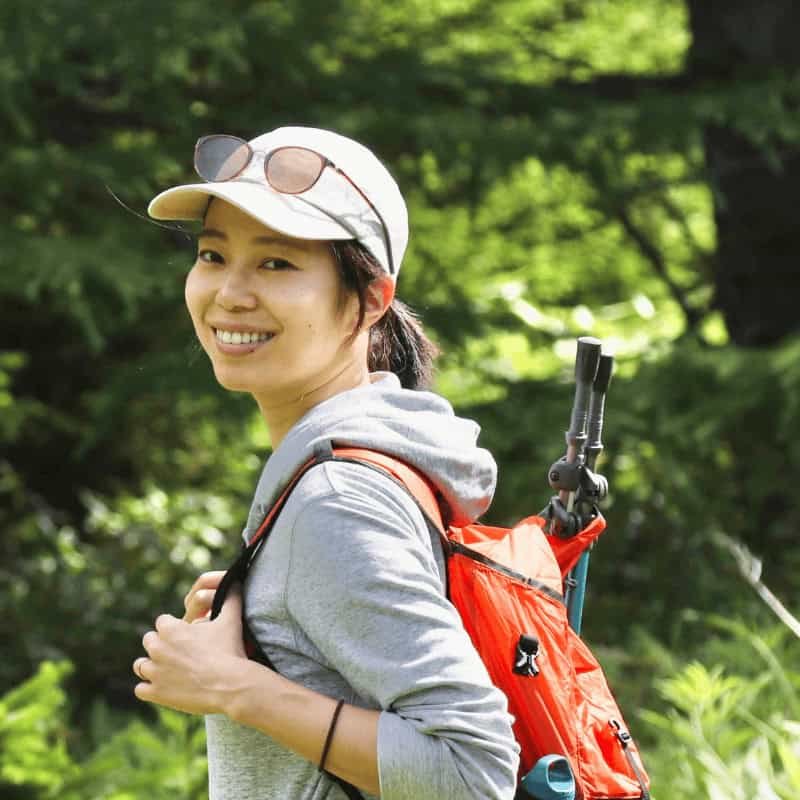
Need a local friend’s help on your itinerary?
Don’t waste hours researching. I’m here to help you like that local friend who tells you:
“Go here, skip that, and don’t miss this little place.”
As a local expert, I’ve helped 350+ international travelers plan their personalized itineraries over the years.
Want my insider tips?